Environmental Compliance & Sustainability News and Insights

The transition to ISO 14001:2026 isn’t complex, but it does require coordination across documentation, training, communication, and governance. Part 3 provides a clear, right‑sized transition strategy to help manufacturers move smoothly and confidently to the updated standard.
The 2026 ISO 14001 updates may look small, but they affect documents, processes, and roles across the EMS. Part 2 breaks down the practical impacts — what manufacturers need to update to stay compliant and audit ready.
ISO 14001:2026 introduces important clarifications that will affect how manufacturers manage environmental responsibilities, documentation, and audit readiness. Part 1 of our series breaks down what’s new in the 2026 edition, why these changes matter, and where internal teams may feel the most pressure as expectations become clearer.
Guidance you can trust. Impact you can measure. A major update to ISO 14001, the world’s leading Environmental Management Systems (EMS) standard, is on the way. The 2026 edition keeps the core of the standard the same but makes it clearer, easier to use, and better aligned with today’s environmental…
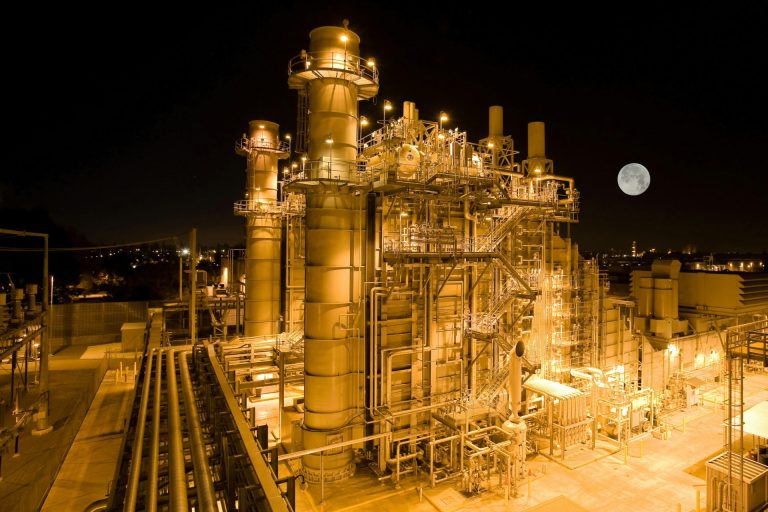
Part 3 of a three‑part series on GHG emissions reduction and management Organizations that understand their compliance obligations (Part 1) and build a reliable GHG inventory (Part 2) reach a natural turning point: now that we know our emissions, how do we reduce them? This is where many teams feel…

Part 2 of a three-part series on GHG emissions management Organizations often reach a pivotal moment after understanding their compliance obligations: they know what must be reported, but not yet how to build the system that produces defensible numbers. This is where many teams feel stuck. Not because the work…
Part 1 of a three‑part series on GHG emissions management Organizations across Canada are increasingly expected to understand and manage their greenhouse gas (GHG) emissions. Regulations continue to evolve, carbon pricing is rising, and customers and investors are asking tougher questions. Before any organization can track emissions with confidence or…

Canada will welcome G7 energy and environment ministers to Toronto on October 30–31, 2025. They will tackle energy security, affordable power, and resilient supply chains for critical minerals. Additionally, innovation is central—ministers will explore how AI and other emerging technologies can transform our energy systems. Other environmental issues are high…
In today’s manufacturing world, sustainability has shifted from being a “nice to have” to a critical business imperative. As environmental concerns and regulatory pressures grow, organizations are seeking meaningful frameworks to help them reduce their environmental footprint and drive continuous improvement. Enter ISO 14001: the global standard for environmental management…

Introduction Submitting GHG emission compliance reports to the government may feel like a tiresome and thankless chore, but these reports are the backbone of effective environmental regulations that protect our planet and improve our lives. ECCC has recently released its National Inventory Report: Greenhouse Gas Sources and Sinks in Canada,…